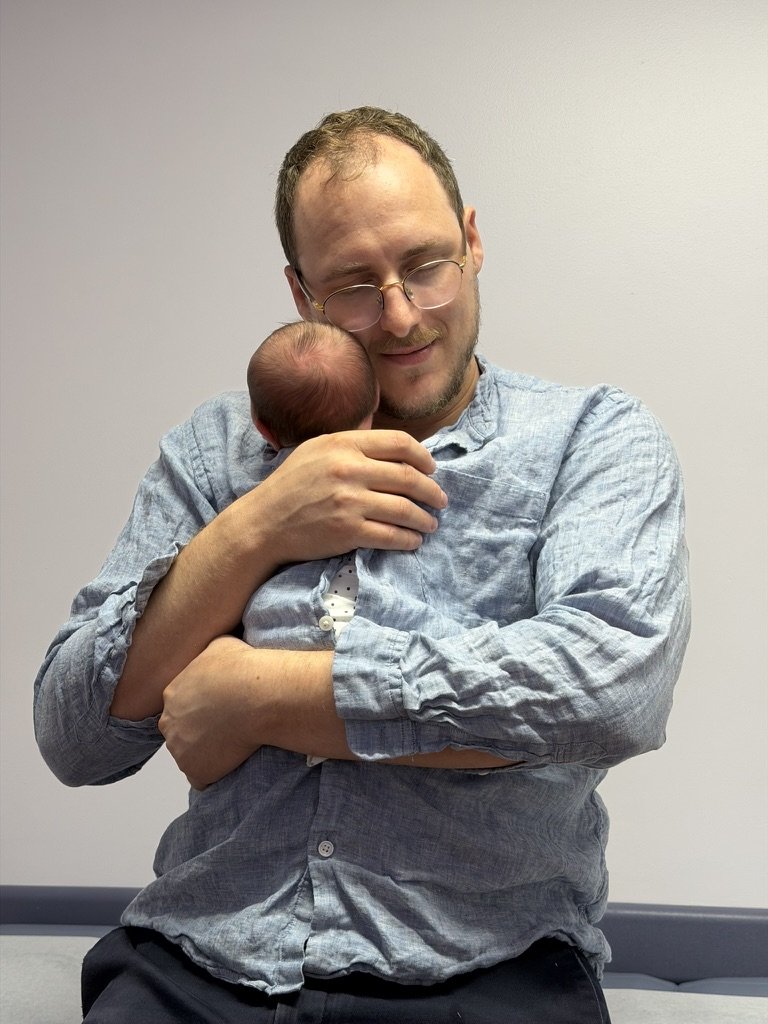
Biography
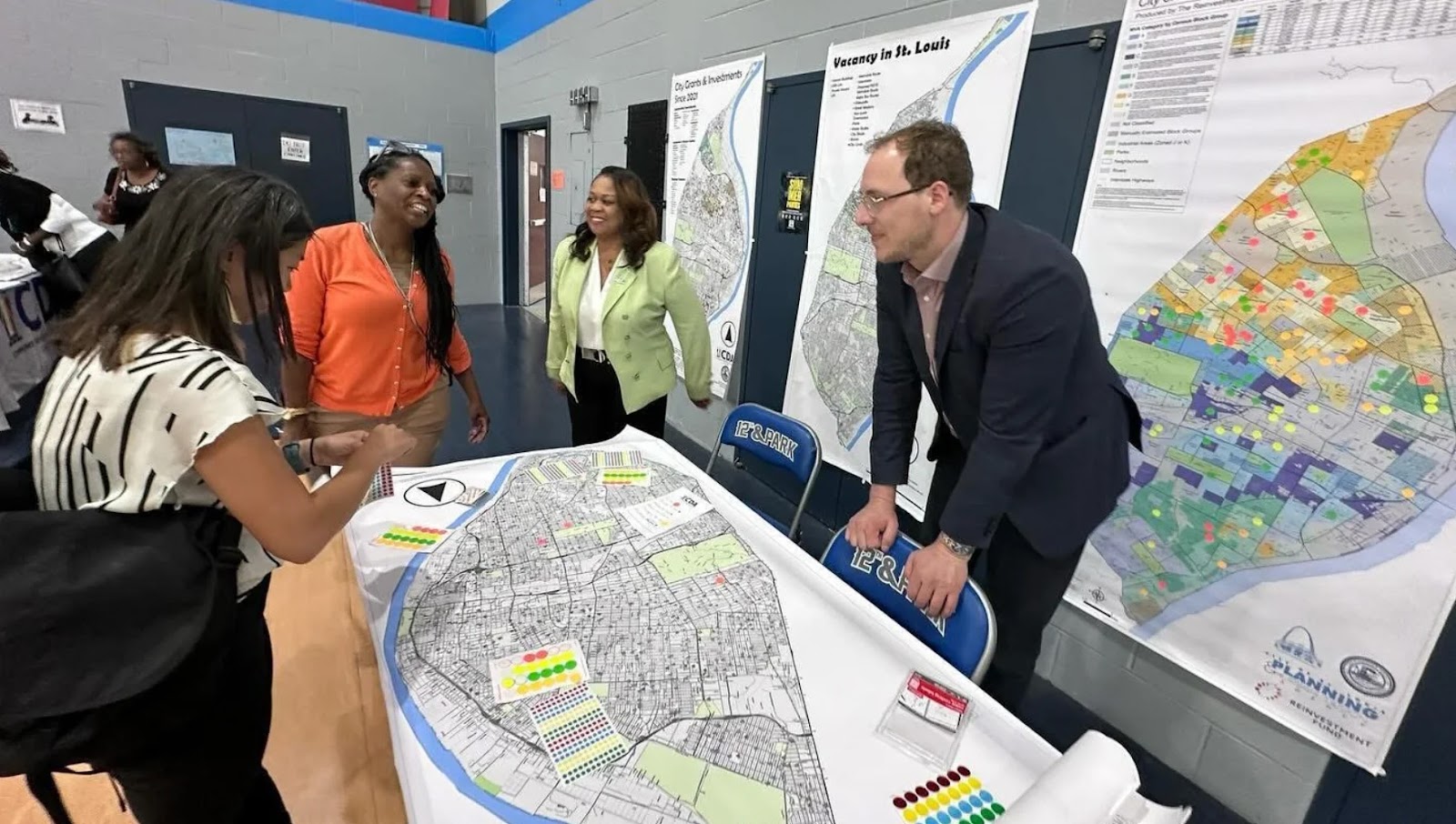
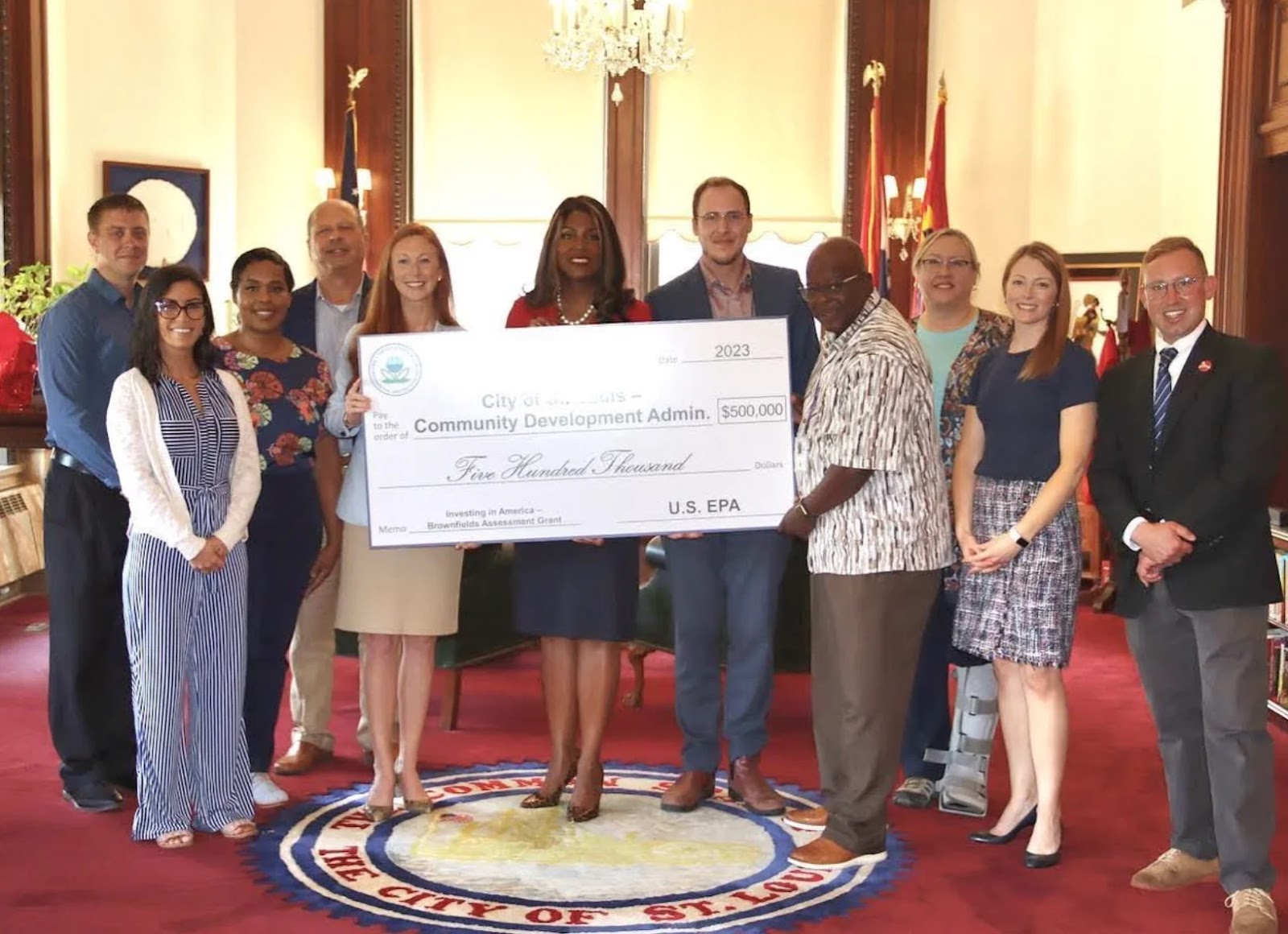
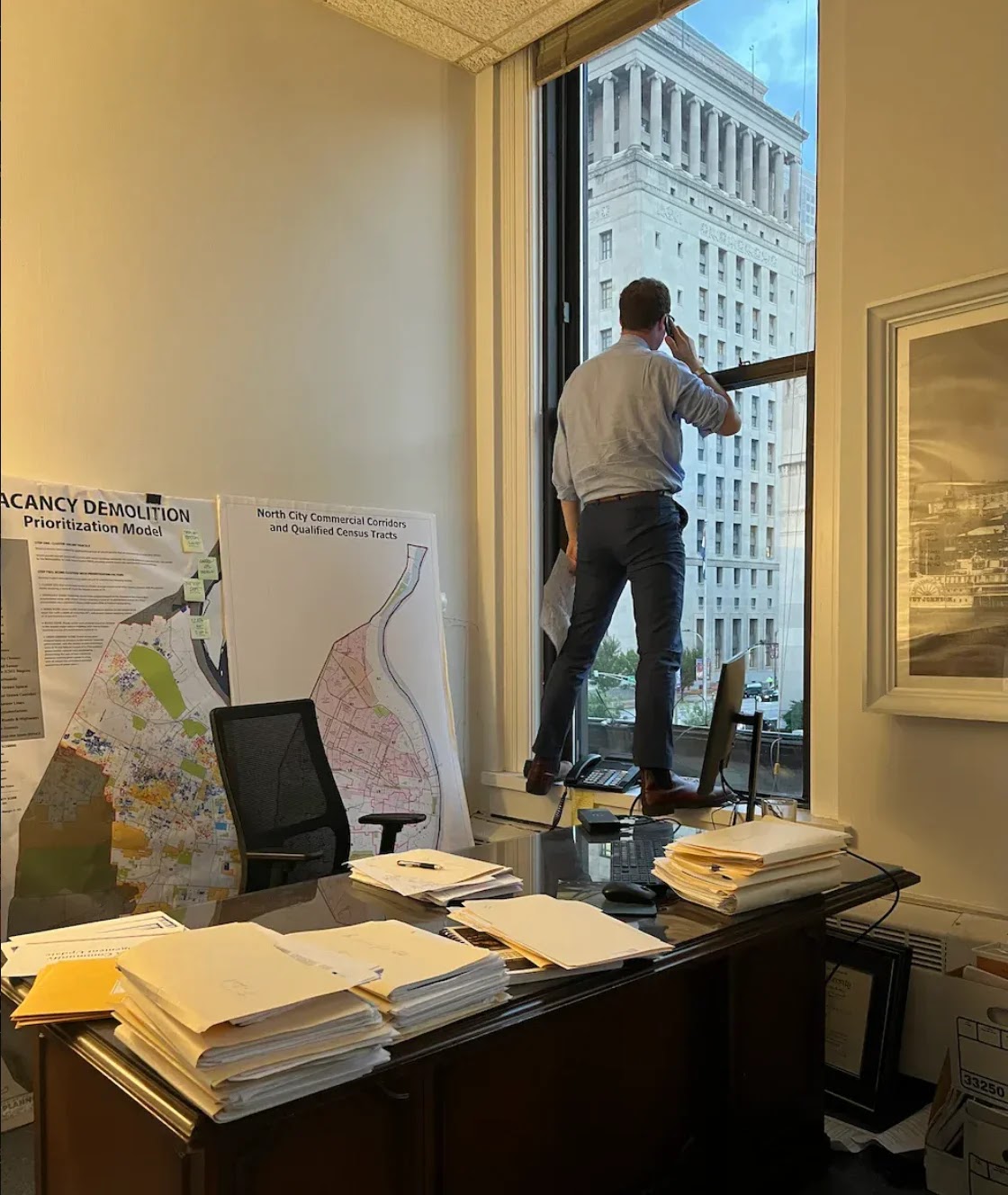
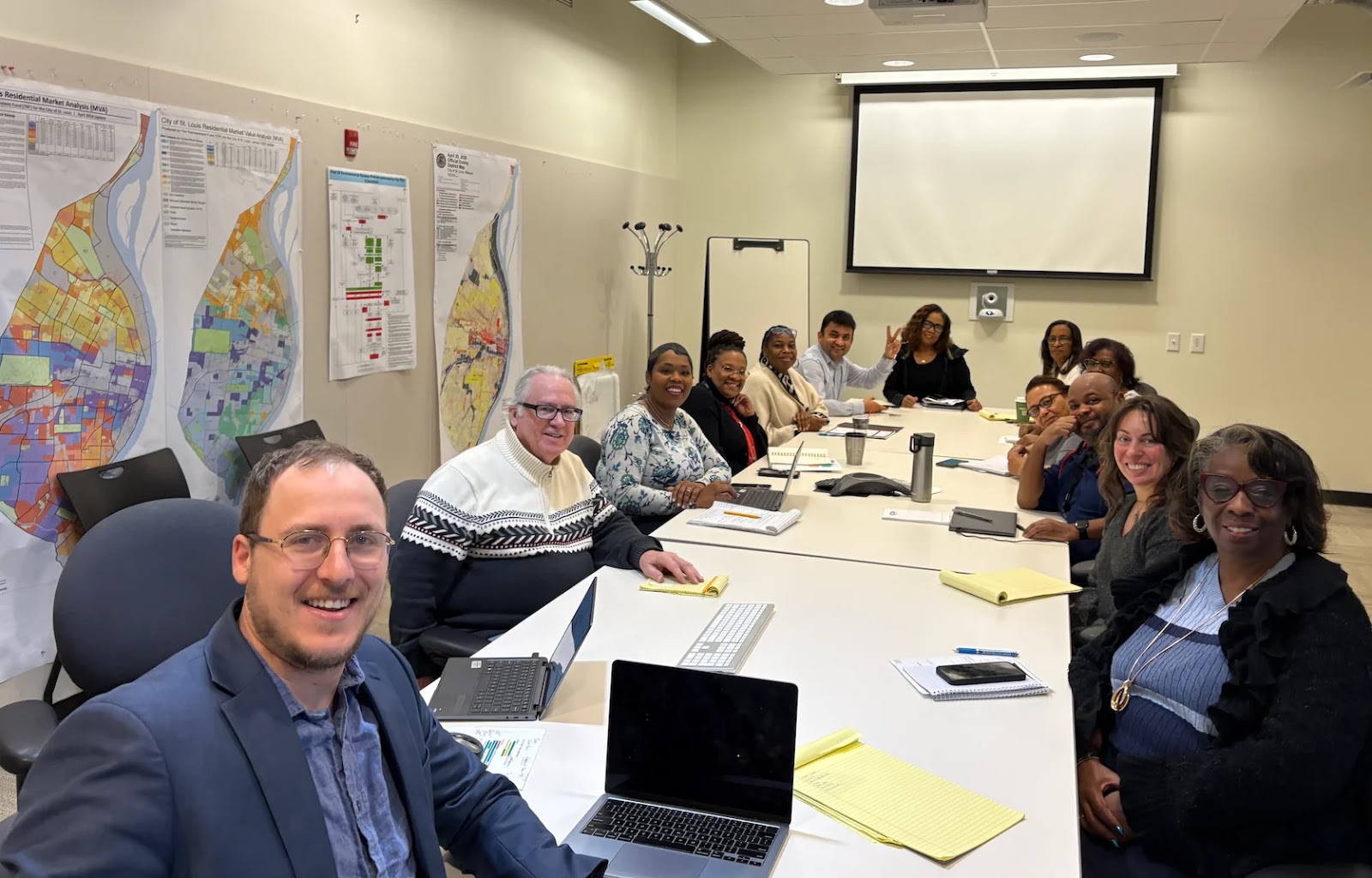
Nahuel is an Argentine-American attorney, professor, and writer dedicated to building more functional and democratic political and economic systems. As Executive Director of the City of St. Louis Community Development Administration (CDA) from 2022 to 2025, he led a team of forty professionals administering over $400 million in federal grant funds including ARPA, CDBG, HOME, Choice Neighborhoods, and PRO Housing awards. Under his leadership, CDA leveraged these funds with private and philanthropic capital to more than triple the city's housing production and home repair pipelines, launch new rental, down payment, and property tax assistance programs, light up public parks with free wi-fi, provide thousands of young people with free public transit, and stand up new grant programs to support health clinics, childcare centers, urban farms, arts organizations, and neighborhood groups. He also served as Director of Policy for Mayor Tishaura Jones, and as a Special Assistant to Mayor Slay. In these roles he drafted and passed various budget, tax, charter, and other bills, and helped to close the Workhouse, a notorious City jail. Mr. Fefer now runs Fefer Law, a solo practice counseling public and private clients on federal grant and tax credit compliance, real estate transactions, corporate governance, program design, and legislative reform. He is a member of the Missouri Bar, has taught as an adjunct professor at Washington University School of Law, and writes on community development, tax policy, constitutional law, and government reform. Mr. Fefer is a graduate of Washington University in St. Louis and New York University School of Law. After law school, Mr. Fefer spent a year as a Justice Catalyst Fellow with ArchCity Defenders, a non-profit law firm dedicated to fighting the criminalization of poverty in St. Louis. Mr. Fefer was born in Buenos Aires, Argentina, grew up outside of Boston, lived in St. Louis, and recently returned home to Boston.
My Story
My name is Nahuel Sebastian Fefer. I am an Argentine-American attorney, professor, and writer dedicated to building more functional and democratic political and economic systems. My work focuses on the distribution of power and resources, with a particular emphasis on housing development, tax policy, and constitutional law.
I was born in Buenos Aires to wonderful parents, an artist and a surgeon, who moved our family to Boston when I was five. It took me a few years to learn English, and I mostly hid in my books until then, but by the time I hit third grade I was largely integrated. Between Jon Stewart, history class, debate team, and living through the Iraq War and Great Recession, I gradually developed a working model of the world and came to realize that something was deeply broken in the United States.
When I moved to St. Louis for college, I started to get a clearer idea of what was broken: entrenched inequalities which were fueling cycles of trauma, violence, and poverty, and undermining democratic processes premised on political equality. This all came into stark focus when Mike Brown was killed on August 9th, 2014. As Executive Director of the Political Review, I was preparing to lead a pre-orientation for freshmen at the time and was out in Ferguson the following night. In the months that followed, we dedicated an issue to the question of Justice, hosted Ta-Nehisi Coates on campus, and pressured the administration to adopt need-blind admissions policies. None of it felt like enough - I wrote at the time that "it's hard to prosecute a system."
In the years that followed I turned my attention to changing the system. When I graduated, I went to work for Mayor Slay, where I fought to raise the minimum wage, negotiate fair development deals, and expand funding for public transit. When Mayor Slay decided not to run for a historic fifth term, I took the opportunity to go to law school at New York University. I knew I wanted to remain in the public sector, and spent my first summer in Liberia, working with brilliant attorneys at the Ministry of Health on a new public health code in the wake of Ebola. While I served as a decent scrivener, and enjoyed incorporating input from legislators and other stakeholders, I also came to realize that I did not have the requisite local knowledge to make a more meaningful contribution.
Instead, I resolved to invest in the community around me. Back in New York, I started an externship with the City Law Department and helped staff the City's Property Tax Reform Commission. Watching the well-intentioned and extremely impressive Commission struggle against deeply entrenched interests to reform a clearly broken system was an eye-opening experience. It helped me realize how difficult it was to implement structural change and how lucky I had been in St. Louis. It helped me appreciate that St. Louis' smaller scale could - at least in theory - enable deeper coordination and more holistic interventions.
I loved New York. It is where I met Kaila, the love of my life, when our best friends started a band together and began practicing in my living room. But despite my work with the Commission and some attempts with DSA to push for needed tax reform at the state level, I didn't feel that I could make a real difference. Instead, I felt myself getting drawn back towards St. Louis. An article I wrote explaining how an ill-conceived city-county merger proposal would undermine democracy and bankrupt the city helped bring down the initiative. I connected with Starsky Wilson, who had co-chaired the Ferguson Commission and also opposed the merger, and spent the summer working with a wide array of stakeholders on an equitable alternative. This ultimately became the Equitable Unification report, and the basis of my Justice Catalyst Fellowship at ArchCity Defenders.
I graduated in the midst of Covid, and spent lockdown studying for finals and the bar. Over the course of the following five years, I had the privilege of carrying out an economic justice policy program from grassroots formulation to legislative adoption and executive implementation. As a Justice Catalyst Fellow at ArchCity Defenders, I worked with activists, organizers, and elected officials to advocate for the closure of the Workhouse, a notorious City jail, and coordinated stakeholder engagement to help draft the "People's Plan," a framework for racial equity and economic justice which won the support of over fifty local nonprofits and then-candidate Tishaura Jones.
As Director of Policy for Mayor Jones, I translated the "People's Plan" into police oversight, tax incentive, and charter reform bills, as well as the city's comprehensive "Economic Justice Action Plan" and over a dozen bills appropriating hundreds of millions in funds toward housing, transit, violence prevention, community-driven development, and neighborhood transformation initiatives. As Executive Director of the City's Community Development Administration, I led a team of over forty housing analysts, grants administrators, accountants, planners, attorneys, and engineers in implementing many of these initiatives. Together, we stood up new programs designed to catalyze equitable and sustainable growth, grew expenditures from $20M to over $75M per year, streamlined outdated policies and procedures, adopted a new Salesforce application and grants management system, and onboarded an unprecedented number of first-time recipients of federal funding, all with zero audit findings.
In 2025, Kaila and I got married and moved back home to Boston for her fellowship at Harvard and for the chance to raise a family near our own. I've hung up my own shingle with a solo practice focused on democracy and development. More importantly, our son, Arthur Felix, arrived in 2026. I have spent my whole life trying to understand our world and feel blessed to get to learn it again through his eyes.