Community Development Administration Impact Report
Comprehensive report detailing $250M+ investment in St. Louis neighborhoods and housing.
Common Sense Charter Reform
A framework to overhaul the city's budgeting, hiring, contracting and other processes in order to promote more accountable and effective governance.
City of St. Louis Affordable Housing Report
Analysis of affordable housing needs, household cost burdens and strategies for increasing housing accessibility.
Roadmap to Economic Justice
Strategic framework for equitable economic development in St. Louis.
Framework for an Equitable Recovery
Jones Transition Team plans for deployment of $500M in ARPA funds. Most, though not all, of these proposals were ultimately implemented.
Equitable Unification Report
How the reorganization of St. Louis City and County into a single county and four boroughs could promote local control, democratic governance and equitable taxation.

NYC Property Tax Reform
An analysis of how deep inequities in the New York State Property Tax Code, including the Class Share System, Section 581 & Growth Caps, exacerbate the city's affordability crisis.

Ordinance No. 71620: Policies and Procedures for Development Proposals
Adopted in the wake of a corruption scandal, this bill updated the City's tax incentive transparency, conflict of interest & enforcement policies. It also promulgated standardized redevelopment agreement language including mandatory reporting of verified development costs, clawbacks in the case of material changes to the project, and a revenue protection policy indexing the tax abatement base to inflation.
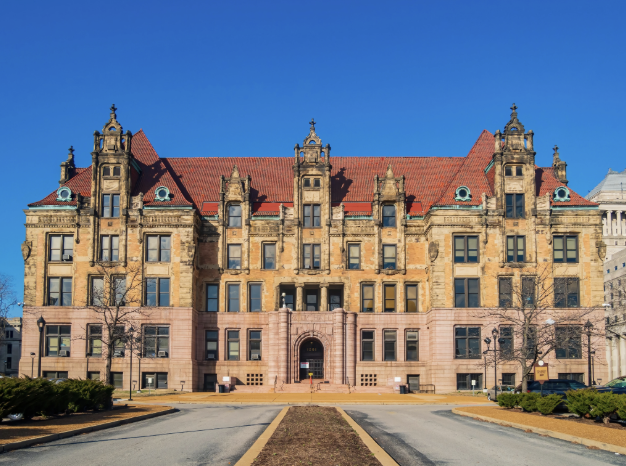
Ordinance No. 71607: Establishing A City Charter Commission
Approved by more than 60% of City voters, this bill established a citizen commission to study and recommend charter reforms every ten years. The Charter Commission's authority was challenged in court but upheld (pending appeal) in Lane v. City of St. Louis.
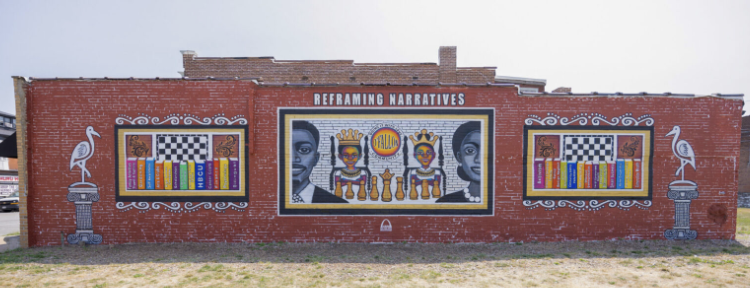
Ordinance No. 71561: ARPA for the Arts Appropriation
This bill appropriated more than ten million in federal relief funds to the Regional Arts Commission (RAC) to support arts and cultural organizations. RAC has leveraged these funds to award over 50 operating and program support grants, over 150 artist support grants, and to launch the St. Louis Mural and Film Projects.
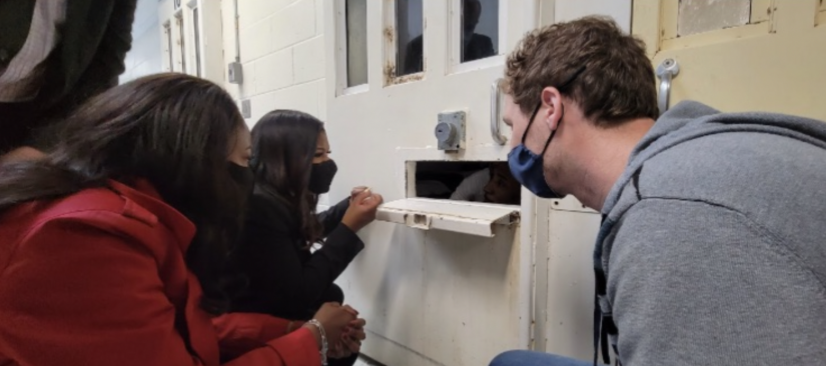
Ordinance No. 71556: Reconstituting the Civilian Oversight Board
Aimed to empower the City's civilian oversight board with investigative powers and capacity, this bill's passage coincided with the appointment of a highly qualified Civilian Oversight Commissioner. Unfortunately he resigned less than a year later citing obstruction. Much work remains to be done.

Ordinance No. 71429: Decriminalizing Possession of Marijuana
This bill repealed three City ordinances, thereby decriminalizing marijuana in St. Louis. It also updated the City's personnel policies to protect employees with medical marijuana cards from adverse employment actions, thereby harmonizing the City's policy with Article XIV of the Missouri Constitution.
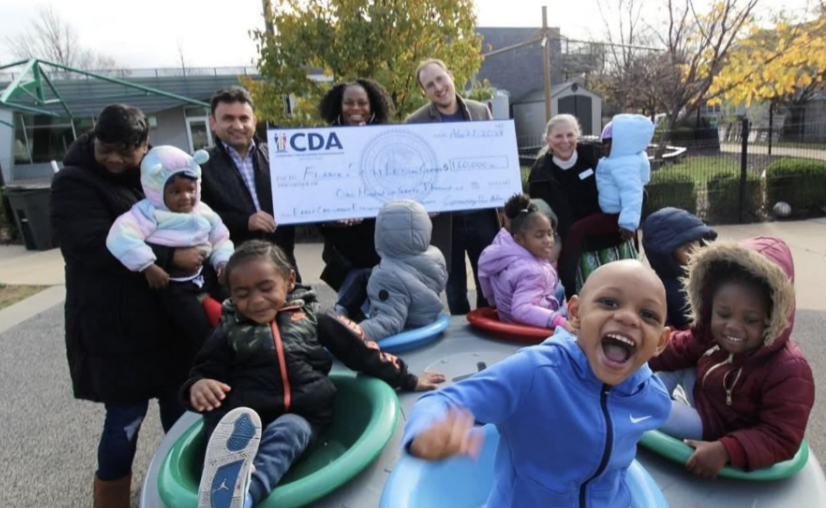
Ordinance No. 71393: ARPA Direct Relief Appropriation
This bill appropriated over $100M in American Rescue Plan Act funds for direct household relief including vaccination incentives, mobile clinics, rental/utility/mortgage/tax relief, food assistance, legal assistance, senior services, youth jobs, small business grants, early childcare grants, free public wi-fi, basic income, housing development, home repair and more.

Ordinance No. 70435: Economic Development Sales Tax
This bill established a half cent sales tax, with 60% of the proceeds set aside for transit, and 10% each for neighborhood revitalization, workforce development, infrastructure and public safety. Raising over $20M a year in revenue, this tax funded the City's first neighborhood plan implementation grants, and has enabled the City to set aside nearly $100M to fund the development of north-south transit designed to transcend the City's historic divides.
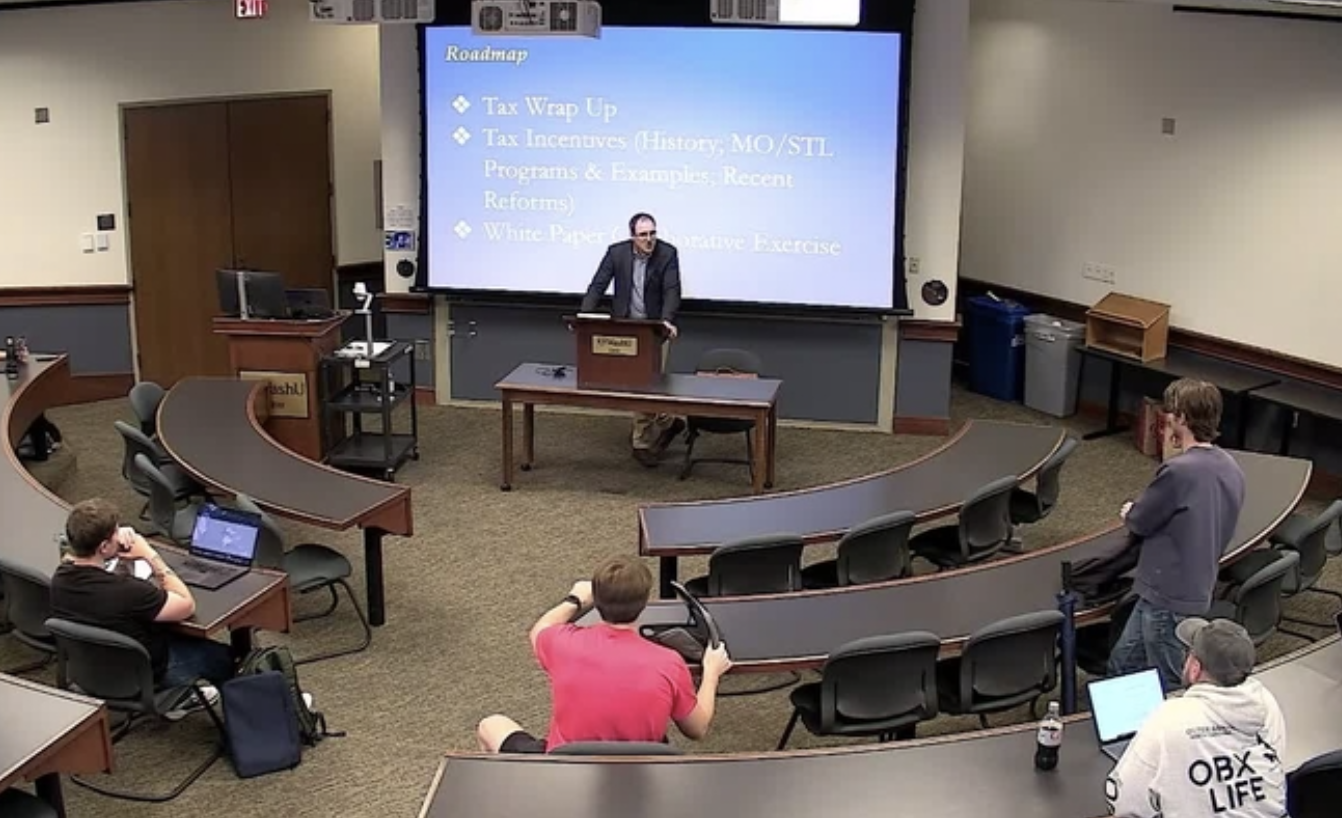
Community Development Law
View Syllabus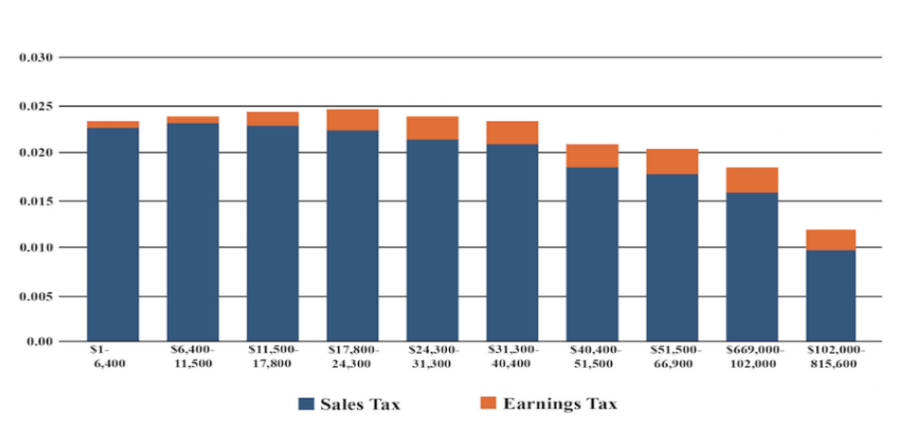
State & Local Tax Law
View Syllabus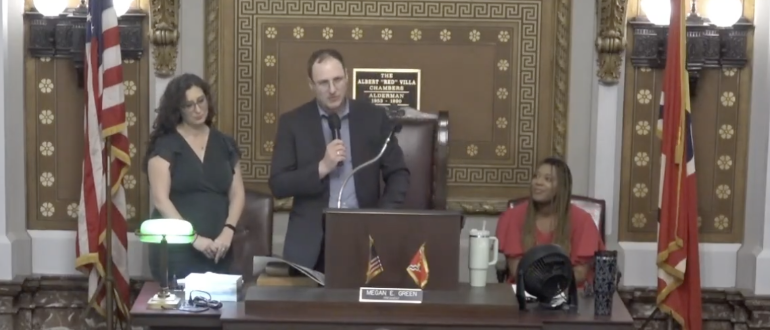
Recommendations to the Board of Aldermen
A farewell speech to the Board of Aldermen featuring calls for tornado recovery, departmental consolidation, and the abolition of the Board of Estimate & Apportionment.
CDA American Rescue Plan Act Update
Comprehensive presentation on ARPA implementation and impact.
Tornado Housing Recovery Taskforce Update
Report on housing recovery efforts and urgent needs in the wake of a devastating tornado.
Rams Housing & Neighborhood Development Fund Prospectus
An innovative proposal to invest in construction, site assembly, pre-development, home repair, downpayment assistance and more in order to drive neighborhood transformation.
Minimum Wage Whitepaper
My first time testifying before the board of aldermen. I was asked to present my research into the proposed minimum wage hike with just ten minutes to prepare and did so to the best of my ability.